Global Backlink Agency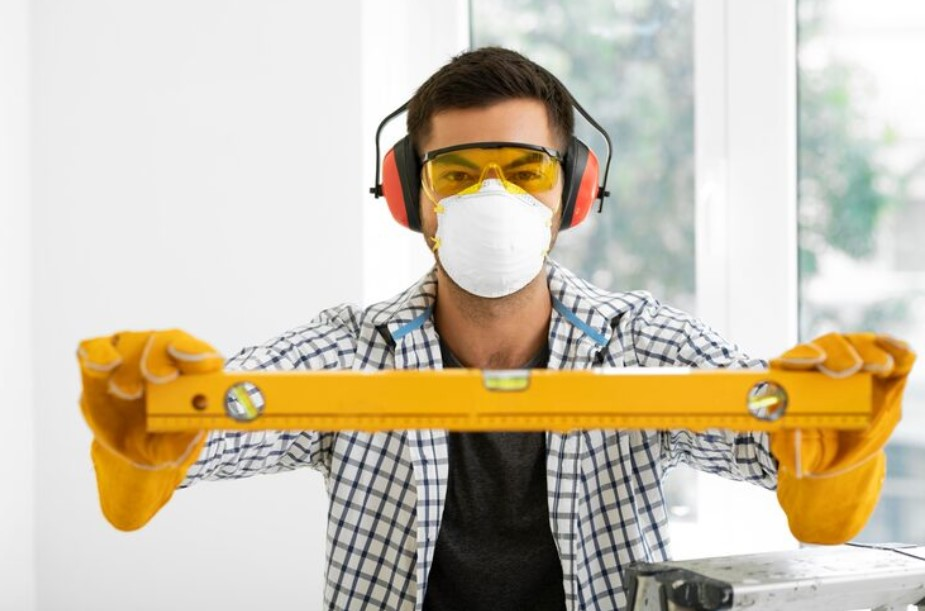
Protective goggles are an important part of workplace safety in manufacturing facilities, laboratories, pharmaceutical environments, cleanrooms, and other workplaces where employees may encounter eye hazards. However, simply wearing goggles does not guarantee effective protection. The way goggles are selected, fitted, cleaned, maintained, and used can significantly affect their performance.
Understanding common safety goggles mistakes can help workers avoid preventable problems and make better use of their protective eyewear.
Why Proper Goggle Use Matters
Protective goggles are designed to create a barrier between the eyes and workplace hazards such as chemical splashes, dust, particles, aerosols, and biological materials.
However, several factors can reduce their effectiveness, including poor fit, damaged lenses, improper cleaning, and incorrect use.
A good eye-protection program should focus on both selecting appropriate eyewear and ensuring employees understand the proper use of safety goggles.
1. Wearing the Wrong Type of Goggles
One of the most common goggle mistakes is using eyewear that does not match the workplace hazard.
Different tasks can expose workers to:
- Chemical splashes
- Flying particles
- Dust and debris
- Liquid droplets
- Biological materials
- Aerosols
- Impact hazards
For example, goggles designed primarily for impact protection may not provide the same protection required for chemical splash hazards.
Before selecting protective eyewear, employers should conduct a hazard assessment and identify the type of protection required for each task.
2. Wearing Poorly Fitted Goggles
A poor fit can affect both protection and comfort.
Goggles that are too loose may move during work, while goggles that are too tight can create pressure around the nose, temples, or head.
Poor fit can also create unwanted gaps or interfere with the worker’s field of vision.
Workers should ensure that their goggles remain securely positioned while allowing normal movement and comfortable use.
3. Removing Goggles During Work
Fogging, discomfort, or poor visibility can tempt workers to remove their goggles temporarily.
This is particularly risky when the hazard is still present.
Instead of removing the eyewear, workers should identify the reason for the problem. Depending on the situation, the solution may involve adjusting the fit, cleaning the lenses, using suitable anti-fog eyewear, or selecting a different goggle design.
Consistent use is one of the most important aspects of effective eye protection.
4. Ignoring Scratched or Damaged Lenses
Another common protective eyewear mistake is continuing to use goggles after the lenses or frame have become damaged.
Scratches can interfere with visibility, while cracks or damaged components may compromise the intended protection.
Workers should inspect goggles before use and report damaged eyewear according to workplace procedures.
For cleanroom applications, proper inspection is particularly important because protective eyewear may need to meet both eye-protection and contamination-control requirements. Klaritex’s cleanroom eye protection safety guide provides additional information on selecting and using appropriate protective eyewear in controlled environments.
5. Cleaning Goggles Incorrectly
Incorrect cleaning is another frequent problem.
Using abrasive materials or unsuitable chemicals can scratch lenses or damage specialized coatings.
Workers should always follow the manufacturer’s cleaning instructions. Depending on the product, this may involve approved cleaning solutions, soft materials, and specific disinfection procedures.
Cleaning practices should also be consistent across facilities where goggles are reused.
6. Sharing Goggles Without Proper Cleaning
Reusable goggles may sometimes be shared between workers. However, they should be properly cleaned and disinfected between users according to the manufacturer’s instructions and workplace procedures.
Simply wiping the visible surface may not be sufficient.
Facilities should establish clear procedures covering:
- Cleaning
- Disinfection
- Inspection
- Storage
- Replacement
This is particularly important in laboratories, pharmaceutical environments, and controlled manufacturing areas.
For more information on maintaining protective eyewear, Klaritex’s guide to sanitizing cleanroom goggles discusses considerations for cleaning and maintaining goggles used in controlled environments.
7. Ignoring Compatibility With Other PPE
Protective goggles are often worn alongside other PPE, including:
- Respirators
- Face masks
- Face shields
- Helmets
- Hoods
- Protective clothing
If the equipment is not compatible, it can cause pressure, movement, fogging, or gaps around the eyes.
Workers should test goggles together with the other PPE required for their specific task rather than evaluating each item independently.
8. Choosing Comfort Over Protection
Comfort matters, particularly when employees need to wear goggles for several hours.
However, workers should not select eyewear based solely on how comfortable it feels.
The goggles must first provide the level of protection required for the workplace hazard.
The ideal solution balances:
- Protection
- Fit
- Comfort
- Visibility
- PPE compatibility
- Maintenance requirements
Comfort can support consistent use, but it should not replace proper hazard-based selection.
9. Failing to Inspect Goggles Before Use
A quick inspection can identify problems before an employee starts work.
Workers should check for:
- Cracks
- Scratches
- Cloudiness
- Damaged straps
- Loose components
- Damaged seals
- Contamination
If an issue could affect protection or visibility, the eyewear should be cleaned, adjusted, repaired where appropriate, or replaced according to workplace procedures.
10. Storing Goggles Improperly
Poor storage can cause scratches, contamination, deformation, or other damage.
Goggles should not simply be left on work surfaces or placed under heavy equipment.
Whenever possible, they should be stored in a clean, protected location according to the manufacturer’s recommendations.
Proper storage is especially important in controlled environments where contamination must also be managed.
11. Using the Same Goggles for Every Task
Different areas of the same facility can present different hazards.
For example, an employee may perform routine manufacturing work in one area and then handle chemicals in another. The required eye protection may be different for each task.
Employers should clearly identify which eyewear is required for different operations and ensure employees understand the distinction.
12. Ignoring Fogging Problems
Fogging is a common reason workers adjust or remove goggles.
Persistent fogging can make it difficult to see equipment, controls, products, or hazards.
Potential solutions can include:
- Selecting appropriate anti-fog eyewear
- Improving the fit
- Following correct cleaning procedures
- Checking compatibility with masks and respirators
- Selecting eyewear designed for the working environment
Workers should report persistent visibility problems rather than simply removing their eye protection.
13. Failing to Follow Workplace Procedures
A PPE program should establish clear procedures for selecting, wearing, cleaning, inspecting, storing, and replacing protective goggles.
Ignoring these procedures can reduce the effectiveness of otherwise suitable PPE.
Employees should understand not only when goggles are required but also what to do if the eyewear becomes damaged, uncomfortable, contaminated, or difficult to see through.
Safety Goggles Best Practices
Following a few simple safety goggles best practices can help reduce common mistakes.
Before Use
- Inspect the goggles for damage.
- Check that the lenses are clean.
- Confirm that the eyewear is suitable for the task.
- Ensure the goggles fit properly.
During Use
- Keep goggles correctly positioned.
- Avoid unnecessary adjustments.
- Do not remove them while hazards remain.
- Report persistent fogging or discomfort.
After Use
- Clean reusable goggles according to manufacturer instructions.
- Disinfect them when required.
- Inspect them for damage.
- Store them appropriately.
- Replace eyewear that no longer provides the required protection.
Training Can Reduce Goggle Mistakes
Employee training is an important part of preventing common goggle mistakes.
Training should cover:
- When protective goggles are required
- Which goggles are appropriate for different hazards
- How to achieve a proper fit
- How to inspect lenses and frames
- How to clean and store goggles
- When goggles should be replaced
- How goggles should work with other PPE
Practical demonstrations can help employees understand correct positioning, cleaning, and inspection procedures.
Creating a Stronger Eye Protection Program
Preventing protective eyewear mistakes requires more than simply distributing goggles to employees.
Organizations should regularly review their eye protection program and consider whether workers have the appropriate equipment, training, and maintenance procedures.
A strong program can include:
- Workplace hazard assessments
- Appropriate eyewear selection
- Employee fit testing or fitting guidance
- PPE training
- Routine inspections
- Cleaning and disinfection procedures
- Replacement policies
- Regular safety reviews
These measures can help ensure that protective eyewear remains effective throughout its service life.
Conclusion
Most safety goggles mistakes are preventable. Wearing the wrong goggles, ignoring poor fit, continuing to use damaged lenses, cleaning eyewear incorrectly, and removing goggles during work can all reduce the effectiveness of eye protection.
Following safety goggles best practices and understanding the proper use of safety goggles can help workers maintain better protection while improving comfort and visibility.
Protective goggles are most effective when the right product is selected for the hazard, fitted correctly, maintained properly, and worn consistently.
For specialized cleanroom goggles, protective eyewear, and PPE solutions, explore Klaritex.