Mahmood Ahmad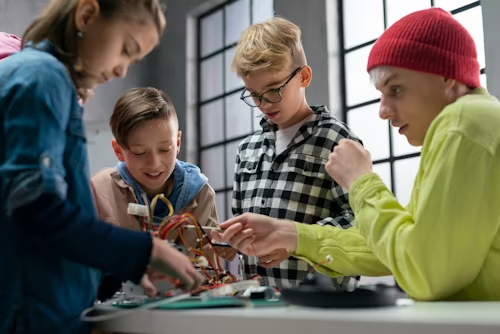
In today’s digital world, technology is evolving faster than ever before. From smartphones and smart homes to robotics and artificial intelligence, our daily lives are shaped by code. This rapid transformation makes coding for kids more than just a trend—it is becoming a fundamental skill that strengthens creativity, logical thinking, and future career opportunities. Teaching children to code at an early age helps them understand how technology works and prepares them for a world where digital literacy will be essential.
Whether parents choose online platforms, school programs, or hands-on robotics classes like those offered at Exceed Robotics, early exposure to coding sets children on a path to confidence and long-term success.
Why Coding for Kids Matters Today
1. Coding Builds Strong Problem-Solving Skills
Coding challenges children to think critically. Every program requires a goal, a plan, and a step-by-step approach to solving problems. Kids learn to break big tasks into smaller, manageable pieces—a skill that helps in math, science, and everyday decision-making.
2. Encourages Creativity and Imagination
Coding is not just technical—it is deeply creative. Children use code to build stories, design games, program robots, and create digital art. The process encourages imagination while teaching structure. The more they experiment, the more they learn to innovate.
3. Boosts Logic and Analytical Thinking
Coding teaches children to think in patterns. They learn to predict outcomes, understand sequences, and make logical connections. These analytical abilities become valuable in academic subjects like mathematics, physics, and engineering.
4. Enhances Confidence and Perseverance
Every time a child writes code and sees their creation come to life, they gain confidence. When errors occur, they learn to troubleshoot and try again. This cycle of testing and improving helps build resilience—an essential skill for both academic and personal success.
Coding for Kids and Future Tech Careers
Technology is shaping every sector—medicine, banking, education, transportation, and entertainment. By 2030, job analysts predict that more than 70% of future careers will require basic or advanced digital skills. Learning coding early does not mean every child will become a software engineer, but it does give them a lifelong advantage.
Career Paths that Benefit from Coding Skills
- Software Development
- Robotics Engineering
- Cybersecurity
- Data Science and AI
- Game Development
- Architecture and Design (3D modeling + automation)
- Healthcare Technology
- Automotive and Aerospace Engineering
Coding today is like learning English or math—it is a core skill that supports success in countless fields.
How Robotics Makes Coding More Fun and Engaging
One of the most exciting ways children learn code today is through robotics. Robotics combines mechanical design, electronics, and programming. It gives kids a hands-on experience where they can see their code move, sense, and respond.
Programs like those offered at Coding classes for kids help children build real robots and program them to perform tasks, which strengthens:
- Logical thinking
- Mechanical skills
- Teamwork and collaboration
- Creativity and engineering curiosity
Hands-on robotics classes for kids, like the ones highlighted at Exceed Robotics’ Robotics Classes for Kids, provide practical learning that keeps children excited and engaged.
Best Ages to Start Coding for Kids
Children as young as 5–6 years old can begin learning coding concepts through simple drag-and-drop platforms like Scratch or Blockly. These tools teach sequencing, loops, and logical thinking in a fun, visual format.
From ages 8–12, kids can transition into text-based programming such as Python or JavaScript. At this stage, they have the patience and understanding to build more complex projects like games, apps, or even beginner-level robotics programs.
Teenagers can explore advanced coding, robotics, AI, and engineering topics—setting them up for specialized tech career paths.
Popular Ways Kids Learn to Code
1. Coding Apps and Game-Based Platforms
These make learning fun and interactive. Examples include Scratch, Code.org, Tynker, and Roblox Studio.
2. Robotics Kits and Classes
Hands-on robotics programs teach coding through real-world applications. Kids learn to build and code robots that move, sense obstacles, or perform tasks—making the learning process engaging and memorable.
3. School STEM Programs
Many schools now integrate coding into their curriculum, helping more students gain exposure.
4. Structured Courses at Robotics and Tech Centers
Institutes like Exceed Robotics offer guided programs that teach coding systematically, allowing kids to progress through multiple levels.
Long-Term Benefits of Learning Coding Early
Better academic performance
Children who learn coding often perform better in math and science because they develop strong analytical skills.
Improved communication skills
Coding teaches kids to explain ideas clearly and logically.
Increased interest in STEM fields
Early exposure helps spark long-term curiosity in engineering, robotics, AI, and computer science.
Future career readiness
Kids who learn coding today develop essential digital literacy that will help them adapt easily to changing technologies.
How Parents Can Support Their Child’s Coding Journey
You don’t need a technical background to support your child. Here are simple steps parents can take:
- Encourage exploration using apps or websites.
- Enroll them in structured programs or robotics classes.
- Provide access to beginner-friendly coding tools.
- Celebrate every small achievement.
- Create a balanced schedule with fun learning activities.
Even 20–30 minutes of coding a few times a week can build strong foundations.
Conclusion
Coding for kids is one of the most valuable skills parents can encourage today. It combines creativity, logic, and innovation—skills that are vital in the rapidly changing tech world. By starting early, children develop confidence, problem-solving abilities, and a strong foundation for future STEM careers.
Whether through online platforms or hands-on robotics programs like those at Exceed Robotics, coding empowers children to understand and shape the digital world around them. As technology continues to evolve, teaching kids to code today ensures they are ready for the opportunities of tomorrow.
Suggestion Topics
Coding for Kids: A Beginner‑Friendly Guide to Fun and Learning
Why Coding for Kids Matters: Skills Every Child Should Learn



 Hamza Khan